
Understanding Window Tint Chattanooga
What is Window Tint?
Window tint refers to a thin film applied to the windows of vehicles, homes, and commercial buildings to alter the amount of light that enters through the glass. This film can vary in thickness, color, and type, providing various benefits based on its application. In Chattanooga, window tinting has become increasingly popular, offering not just aesthetic enhancement but also practical advantages. But what exactly does it entail? From UV protection to privacy, understanding window tinting’s nuances is crucial for any potential user. For more detailed information, check out window tint Chattanooga, where you can find tailored solutions that meet your needs.
Benefits of Window Tint Chattanooga
Choosing to install window tint in Chattanooga comes with a plethora of benefits that extend beyond just looks. Here are some primary advantages:
- UV Protection: One of the most significant benefits of window tint is its ability to block harmful ultraviolet (UV) rays, which can lead to skin damage and fading of upholstery inside your vehicle or home.
- Heat Reduction: Tinted windows can significantly reduce heat buildup inside your car or home, enhancing comfort and lowering the need for air conditioning.
- Increased Privacy: Tinting can add an element of privacy by making it harder for outsiders to see inside your vehicle or home.
- Glare Reduction: Window tint can minimize glare from sunlight, making driving safer and enhancing your overall comfort in bright conditions.
- Enhanced Aesthetics: Additionally, a well-applied window tint can give your vehicle or property a sleek, stylish look that complements its overall design.
Common Myths About Window Tint
Despite its popularity, window tinting is often surrounded by misconceptions. Here are some common myths debunked:
- Myth 1: Tinted windows are illegal everywhere.
Reality: Laws vary by state and locality, so it’s crucial to know the regulations in Chattanooga before applying tint. - Myth 2: Window tint blocks all light.
Reality: High-quality tints allow varying degrees of visibility while providing the benefits of UV and heat protection. - Myth 3: All tinting films are the same.
Reality: Different types of films offer varying levels of protection and aesthetics, so it’s essential to choose wisely. - Myth 4: window tint makes it hard to see at night.
Reality: Properly installed, high-quality films can enhance visibility while reducing glare.
Types of Window Tinting Films
Dyed Window Tints
Dyed window tints are among the most commonly used types of window films. They consist of a layer of dye that absorbs heat and reduces glare. The aesthetic appeal is a notable advantage, as dyed films provide a darker shade without excessive reflectiveness. However, one drawback is that they may not offer the same level of UV protection as other types of window film. They are an excellent choice for individuals seeking balance between privacy and affordability.
Metalized Window Tints
These films incorporate tiny metal particles that enhance durability and provide better heat rejection than dyed tints. Metalized window tints can also protect against fading upholstery and dashboards caused by UV exposure. While they are effective in glare reduction, one downside is that they may interfere with electronic devices, such as GPS systems, due to their metallic nature. If you live in an area with strong sunlight, these films might be the more desirable option.
Ceramic Window Tints
Ceramic window tinting films utilize advanced technology featuring ceramic particles. They provide superior UV protection without affecting visibility. One of the most significant advantages of ceramic tints is their non-metallic nature, which minimizes interference with electronic devices. Additionally, ceramic films tend to have an extended lifespan and do not fade as quickly as other types. Although they may come with a higher price tag, the long-term benefits make them a worthwhile investment for many.
Choosing the Right Window Tint Chattanooga
Evaluating Legal Regulations
Before selecting a window tint in Chattanooga, it’s essential to familiarize yourself with local regulations. Each state has specific laws dictating how dark or reflective your vehicle’s tint can be. Understanding these legalities ensures compliance and prevents unnecessary fines or removal costs. The Tennessee Department of Safety has resources that provide clear guidelines on allowable tint levels, ensuring you can enjoy the benefits of your window tint without concern.
Assessing Your Needs and Goals
Identifying your specific needs can guide your choice in window tinting. Are you primarily concerned about UV protection, heat reduction, or privacy? Defining your goals allows you to explore options that align best with your expectations. Each type of tint serves different purposes, and knowing what you need can save you time and money in the long run.
Cost Considerations
Window tinting prices can vary widely depending on the type of film, the size of the vehicle or windows, and the installation service you choose. Budget-conscious individuals may lean toward dyed films for their affordability, but considering the long-term benefits of investing in higher-quality options, such as ceramic films, is essential. Always obtain multiple quotes to ensure you receive the best value for your investment.
Installation Process Explained
Preparation Steps
Before installation, thorough preparation is necessary. Clean the windows thoroughly to remove dirt, grease, and any old adhesive residue. This step is crucial since any impurity can lead to bubbles and an uneven finish. Additionally, consider removing any obstructions, such as window visors. These preparation steps can significantly impact the final result and longevity of the window tint application.
Application Techniques
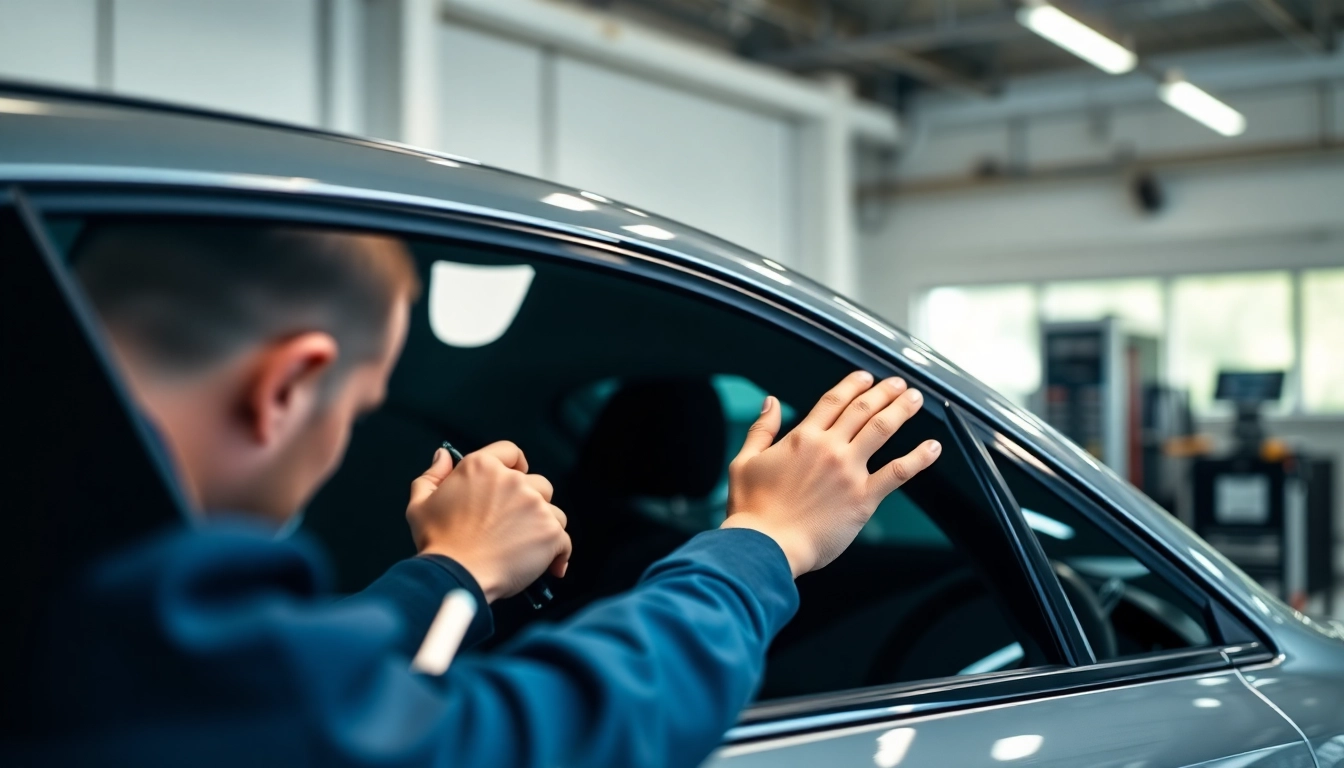
The method of application can affect the film’s durability and effectiveness. Professional installers typically utilize techniques such as the “wet application,” which involves using a solution to facilitate the installation process. This approach reduces the chances of bubbles or creases. For convenience, many opt to hire professionals who specialize in window tinting, ensuring a satisfactory finish. However, DIY kits are available for those confident in their skills.
Post-Installation Care
After installation, it’s not just “set it and forget it.” Proper care for your newly tinted windows is paramount for ensuring its longevity. Avoid rolling down the windows for at least a few days to allow the adhesive to fully set. Additionally, clean the windows with non-ammonia-based cleaners and soft cloths to prevent damage to the tint itself. Maintaining your tint consistently will preserve its appearance and benefits for years.
Frequently Asked Questions About Window Tint Chattanooga
How long does window tint last?
Window tint can last anywhere from 5 to 15 years, depending on the type of film used and the quality of installation. High-quality films typically last longer and maintain their effectiveness throughout their lifespan.
Can I remove the window tint myself?
While it’s possible to remove window tint yourself, it can be challenging and may lead to damage if not done correctly. Professional removal services are recommended for the best results.
Will window tint reduce my car’s resale value?
High-quality tinting can enhance your car’s appeal and comfort, often leading to a higher resale value. Conversely, poorly done tinting could deter potential buyers.
Does window tint provide UV protection?
Yes, most window tints block up to 99% of UV rays, providing protection for both passengers and the interior of the vehicle from harmful rays that can cause skin damage and fading.
How can I maintain my tinted windows?
Maintain tinted windows by using non-ammonia-based cleaners and soft microfiber cloths. Avoid rolling down the windows for at least 48 hours after installation to ensure proper adherence.