
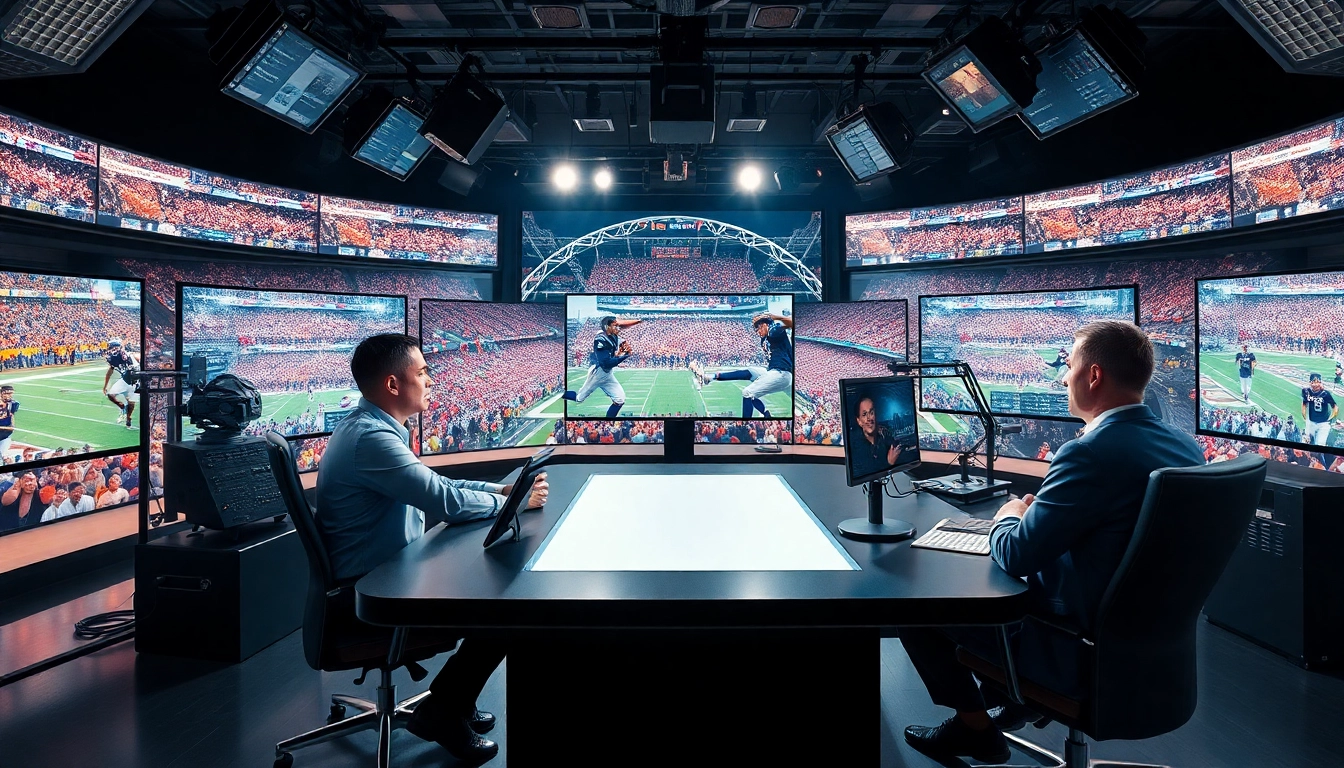
Understanding Sports Broadcasting
What is Sports Broadcasting?
Sports broadcasting refers to the dissemination of sports events and related content to an audience through various media channels, including television, radio, internet streaming, and social media platforms. This sector combines journalism, technology, and entertainment, aiming to present athletic competitions, news, and analyses in an engaging manner. With the rise of digital platforms, Sports Broadcasting has evolved profoundly, adapting to the changing preferences of viewers and emerging technologies.
The Evolution of Sports Broadcasting
The journey of sports broadcasting began with radio broadcasts in the early 20th century, gradually transitioning into television coverage in the 1940s. This shift introduced visual elements to sports, making the experience more immersive. Over the decades, advancements in technology have paved the way for high-definition broadcasts, instant replays, and graphics that enhance storytelling. Today, online streaming services and mobile applications have further revolutionized how audiences consume sports content, ensuring that fans can watch their favorite matches anytime and anywhere.
Key Players in Sports Broadcasting
The sports broadcasting landscape comprises various stakeholders, including sports leagues, broadcasters, cable networks, streaming services, and advertisers. Major sports leagues often partner with broadcasting networks to air games and events, while streaming services increasingly enter this space, offering alternatives to traditional cable. Advertisers play a crucial role by sponsoring events and placing ads during broadcasts, which ultimately supports the financial stability of this sector.
Essential Equipment for Sports Broadcasting
Cameras and Audio Gear for Quality Production
High-quality cameras are the backbone of any sports broadcast. Multi-camera setups are used to capture different angles and close-ups, ensuring that the action is presented dynamically. Additionally, cameras with high zoom capabilities can capture on-field details that enhance viewer experience. Alongside visual fidelity, audio quality is vital. Microphones, such as shotgun mics, capture commentary while minimizing background noise, creating a more focused listening experience.
Software Solutions for Seamless Broadcasting
Broadcasters rely on an array of software to manage live streams, edit content, and deliver it to audiences. Production software like OBS Studio and Wirecast enables multi-camera streaming, graphic overlays, and other enhancements. Furthermore, automated systems can streamline the process of footage archiving, making it easier to retrieve past events for highlights or analysis. These technologies facilitate smooth operations, ensuring that broadcasts flow seamlessly.
Setting Up a Broadcast Studio
A professional broadcast studio requires careful configuration to ensure optimal performance. Essential components include a video control room, audio mixing station, and presentation area. Proper lighting arrangements enhance visual clarity, while soundproofing minimizes disruptions from external noises. The setup must also support advanced connectivity options to facilitate remote interactions with analysts or commentators, embracing the collaborative aspect of modern broadcasting.
Best Practices in Sports Broadcasting
Engaging Your Audience
To retain viewers, broadcasters must focus on creating engaging content that resonates deeply with their audience. Techniques like interactive polls, live chats, and social media integration can be effective in fostering viewer participation, allowing fans to connect more personally with the broadcast. Personalized content, such as tailored highlights for different demographics, ensures that viewers feel valued and engaged.
Legal Considerations in Sports Broadcasting
Legal aspects play a significant role in sports broadcasting. Copyright laws govern the usage of footage and imagery, while licensing agreements dictate how content is shared. Broadcasters must navigate these complexities to avoid legal ramifications. Ensuring compliance with regulations regarding advertising, sponsorship disclosures, and broadcasting rights is essential for maintaining the integrity of the operation.
Analytics and Measuring Success
Data analytics is essential for assessing the impact of sports broadcasts. Metrics such as viewer engagement, audience retention, and conversion rates from advertisements help broadcasters refine their strategies. By tracking these data points, professionals can adjust their approach to meet audience preferences better, ultimately leading to enhanced broadcasting outcomes and increased revenue opportunities.
Current Trends in Sports Broadcasting
The Rise of Streaming Services
The transition towards streaming services has become a dominant trend in sports broadcasting. Traditional cable subscriptions have declined as more viewers opt for accessible online platforms. Services like ESPN+, DAZN, and others allow audiences to watch live sports without being tethered to traditional broadcasting schedules, providing on-demand content and subscription-based models.
Virtual Reality and Augmented Reality Integration
Virtual reality (VR) and augmented reality (AR) technologies are beginning to shape the future of sports broadcasting. VR offers immersive experiences where viewers can feel as if they are present at the game. AR enhances broadcasts by providing real-time statistics and information overlays, enriching the viewing experience. These technologies are still developing but represent exciting frontiers in audience engagement and content delivery.
Personalization in Viewer Experience
Personalization is crucial for enhancing viewer satisfaction. Sports broadcasters are adopting AI-driven algorithms to recommend content tailored to individual viewing habits. Fans can receive alerts for their favorite teams, curated highlights, and even custom commentary that aligns with their preferences, creating a unique spectator experience that increases loyalty and engagement.
Future of Sports Broadcasting
Innovative Technologies on the Horizon
Emerging technologies like 5G will revolutionize the broadcasting landscape by enabling higher quality streams and lower latency, allowing for flawless live coverage. Innovations in drone technology can enhance aerial shots of events for a more captivating perspective. As these technologies mature, broadcasters must adapt to leverage their advantages effectively.
Developing New Engagement Strategies
As the competition for viewers intensifies, broadcasters must develop innovative engagement strategies that transcend traditional practices. Collaborating with social media influences to amplify broadcasts, hosting live post-game analysis, and implementing gamification elements can foster a deeper connection with the audience. Connecting emotionally with fans through storytelling will remain essential.
Preparing for Industry Changes
Continuous changes in audience behavior, technology, and global events mandate that sports broadcasters remain agile. Keeping abreast of emerging trends, adapting to new platforms, and reevaluating content strategies regularly are vital for success. By remaining proactive and flexible, broadcasters can navigate challenges and capitalize on opportunities, ensuring their relevance in an ever-evolving industry.
Frequently Asked Questions
What is the main role of sports broadcasting?
The main role is to deliver live sports events and related content to audiences through various media, creating an engaging viewing experience.
How has technology impacted sports broadcasting?
Technology has enhanced transmission quality, introduced new viewer engagement methods, and revolutionized how fans consume sports content.
What are popular platforms for sports broadcasting?
Popular platforms include traditional television networks, cable providers, and streaming services like ESPN+, Hulu Live, and more.
Why is audience engagement important in sports broadcasting?
Engagement enhances viewer loyalty and experience, fostering a community around the broadcast and increasing overall ratings and ad revenues.
What trends should broadcasters watch for in the future?
Broadcasters should focus on trends such as the rise of streaming, integration of VR/AR technologies, and the personalization of viewer experiences.